EU Youth Conference στο Sorø
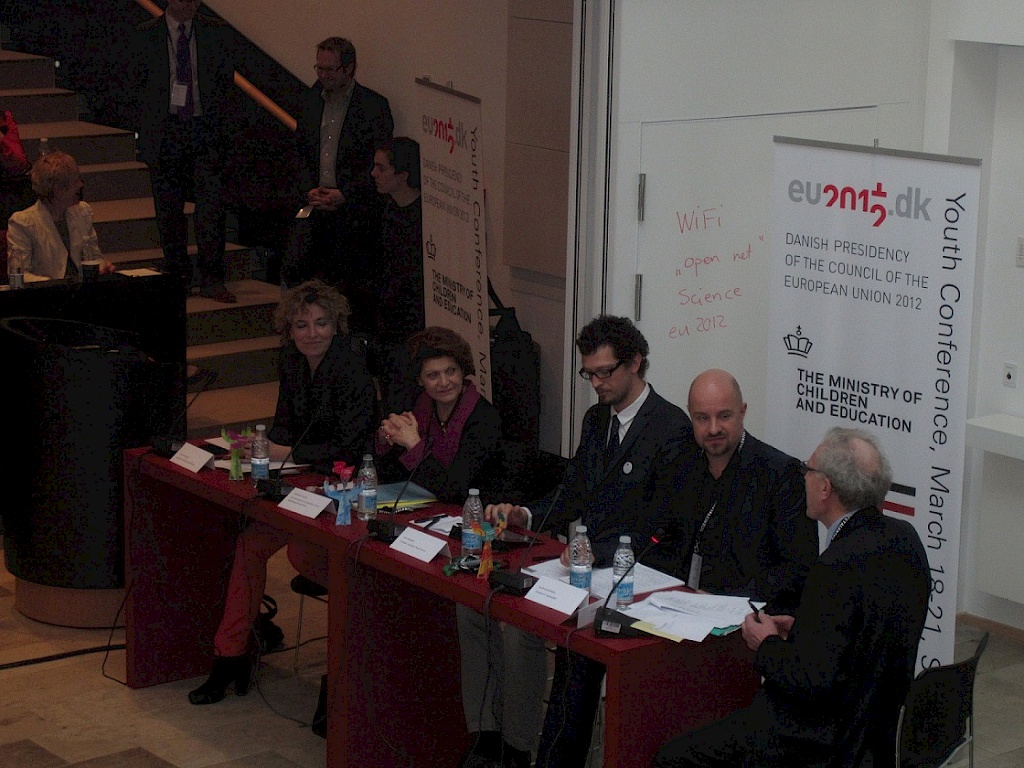
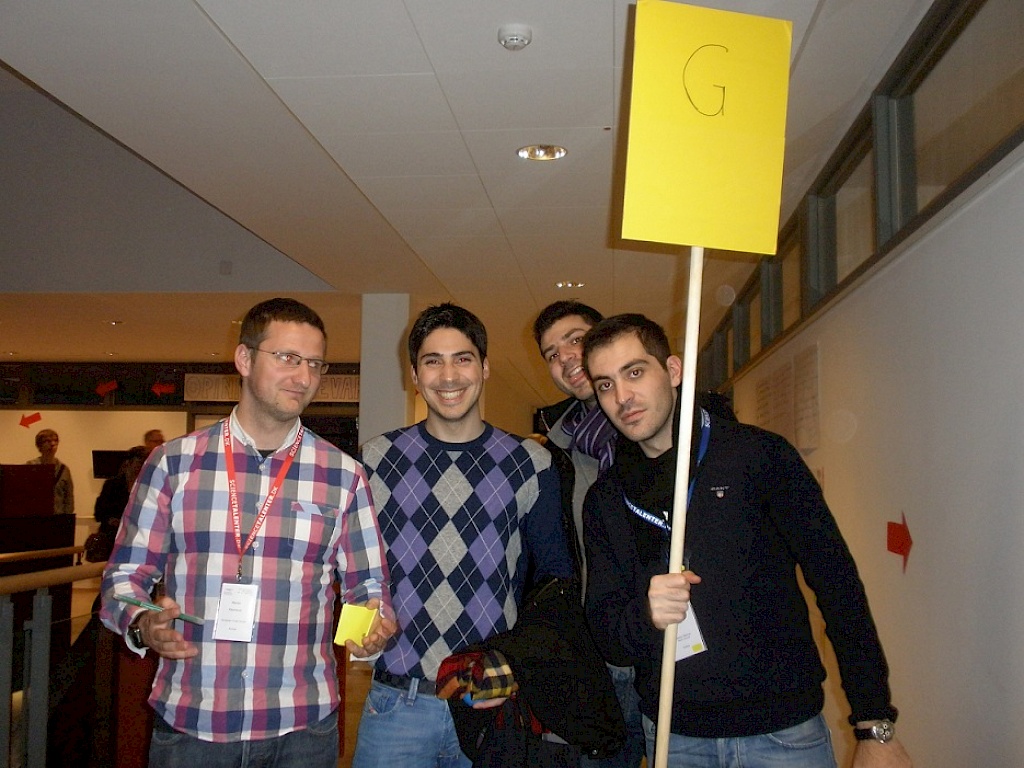
Το ΕΣΥΝ συμμετείχε με μεγάλη επιτυχία στο Ευρωπαϊκό Συμβούλιο Νέων (EU Youth Conference) που πραγματοποιήθηκε στο Sorø της Δανίας στις 18-21 Μαρτίου, παρουσία του προέδρου του ΕΣΥΝ κ. Δρίκου Αρμόδιου κατα την δευτερη μερα της συνεδρίασης και των αντιπροσωπων του, κ.κ. Γεώργιου Μπέκα και Ευάγγελου Μαυρίδη. Η διάσκεψη πραγματεύτηκε την αξία της δημιουργικότητας, την καινοτομία και το ταλέντο ως πηγές για τους νέους ανθρώπους να αναπτύξουν τις δεξιότητές τους και να ενισχύσουν τις ευκαιρίες τους στην αγορά εργασίας. Tο EU Youth Conference είναι ένα από τα στοιχεία της διαδικασίας του Διαρθρωμένου Διαλόγου με τους νέους, που καθιερώθηκε από το Συμβούλιο της Ευρωπαϊκής Ένωσης στην απόφαση για ένα ανανεωμένο πλαίσιο ευρωπαϊκής συνεργασίας στον τομέα της νεολαίας. Η διαδικασία του Διαρθρωμένου Διαλόγου είναι ένα μέσο που εξασφαλίζει ότι η γνώμη των νέων λαμβάνεται υπόψη στη διαμόρφωση των πολιτικών για τη νεολαία στην Ευρωπαϊκή Ένωση.
Οι προτάσεις στις οποίες κατέληξε το EU Youth Conference στο Sorø σχετικά με το πλαίσιο για "Creativity, Innovation and Talent - Young People's Participation in Democratic Life in Europe" είναι οι εξής:
A: Youth Participation - Elections
1. Member States should make civic education and education in politics compulsory and effective in the formal education system. Civil society organisations, such as youth organisations, should be closely involved throughout that process.
2. Member States should ease access to vote by simplifying registration procedures, creating distance voting and e-voting, and by placing polling stations where young people are.
B: Youth Participation - Election Age
1. The European Commission should create and share a user-friendly European database with research and evidence-based information on lowering the voting age to 16 in order to stimulate national debates on the subject .
2. The European Commission should invite Member States to start initiatives, such as setting up a voting age commission, in order to stimulate a debate about lowering the voting age to 16 and about the active participation of youth.
C: Motivation for Participation
1. In order to increase youth participation, Member States and the EU should create funding opportunities to establish or improve sustainable local youth facilities, guided by youth workers, where all young people, including non-organised youth, can meet, create and get involved in projects.
2. The European Commission and Member States should ensure transparent decision-making and should promote co-ownership with young people on youth-related issues. This should be facilitated through a dialogue in which all actors can bring ideas to initiate, decide upon, implement and monitor youth policies and programs at all levels.
D: The New Programme in the Education and Youth Field
1. The New Programme in the Education and Youth Field must promote all young people's civic, social and economic participation and inclusion in society. It must therefore ensure sufficient opportunities for personal and social development through non-formal and informal learning, volunteering, active citizenship, intercultural cooperation and youth work.
2. Young people need an independent mechanism based on the EU Youth Strategy, using established youth branding and having its own budget line. This will ensure that both organised and non-organised young people and youth organisations have access to the programme in a user-friendly manner.
E: Support Mechanisms and Participation
1. EU and Member States should recognise youth organisations as a channel for developing the skills and competences of young people, especially youth with fewer opportunities, and promote the positive effect of volunteering and non-formal education.
2. Eu and Member States should provide ongoing and sustainable financing for youth organisations at all levels, including core-funding and project funding, as well as a specific small grant system enabling young people to independently develop their creative and innovative projects.
F: Media and Participation
1. A formal letter with an invitation and information on voting should be sent to all young people reaching the voting age. This should be implemented by the relevant authorities of Member States in consultation with National Youth Councils, if existing.
2. Member States and the EU should initiate research on media use in relation to democratic participation at national and European level in order to support the increase of democratic participation via tailored, youth-friendly and transparent communication.
G: Participation and Innovation
1. In order to develop the innovative competences of young people and encourage their participation in civil society, the EU Member States should stimulate strategic partnership between youth NGOs and local, regional, national authorities and the private sector to organise projects and events led by young people.
2. In order to improve innovative, creative and entrepreneurial competences of young people, the EU Member States should promote tools and training that support teachers and mentors to identify and guide young people's individual potential both in formal and non-formal education.